Why electric water heaters could be the hot new home improvement
Newly proposed federal standard would save Americans money, energy
The fastest and most affordable way to get our country’s energy use under control is to make our homes, businesses and communities more energy efficient.
Energy experts estimate that we can reduce our overall energy usage by 50 percent below current levels in the next 30 years, simply by using better technologies and eliminating waste across our economy. Reducing energy use creates big savings—for our planet, our climate and our health. More efficient energy use will clean up our air and help combat climate change. And as an added bonus, reducing energy consumption also results in lower energy bills.
Newly proposed federal standard would save Americans money, energy
Energy Conservation & Efficiency
Energy Conservation & Efficiency
Energy Conservation & Efficiency

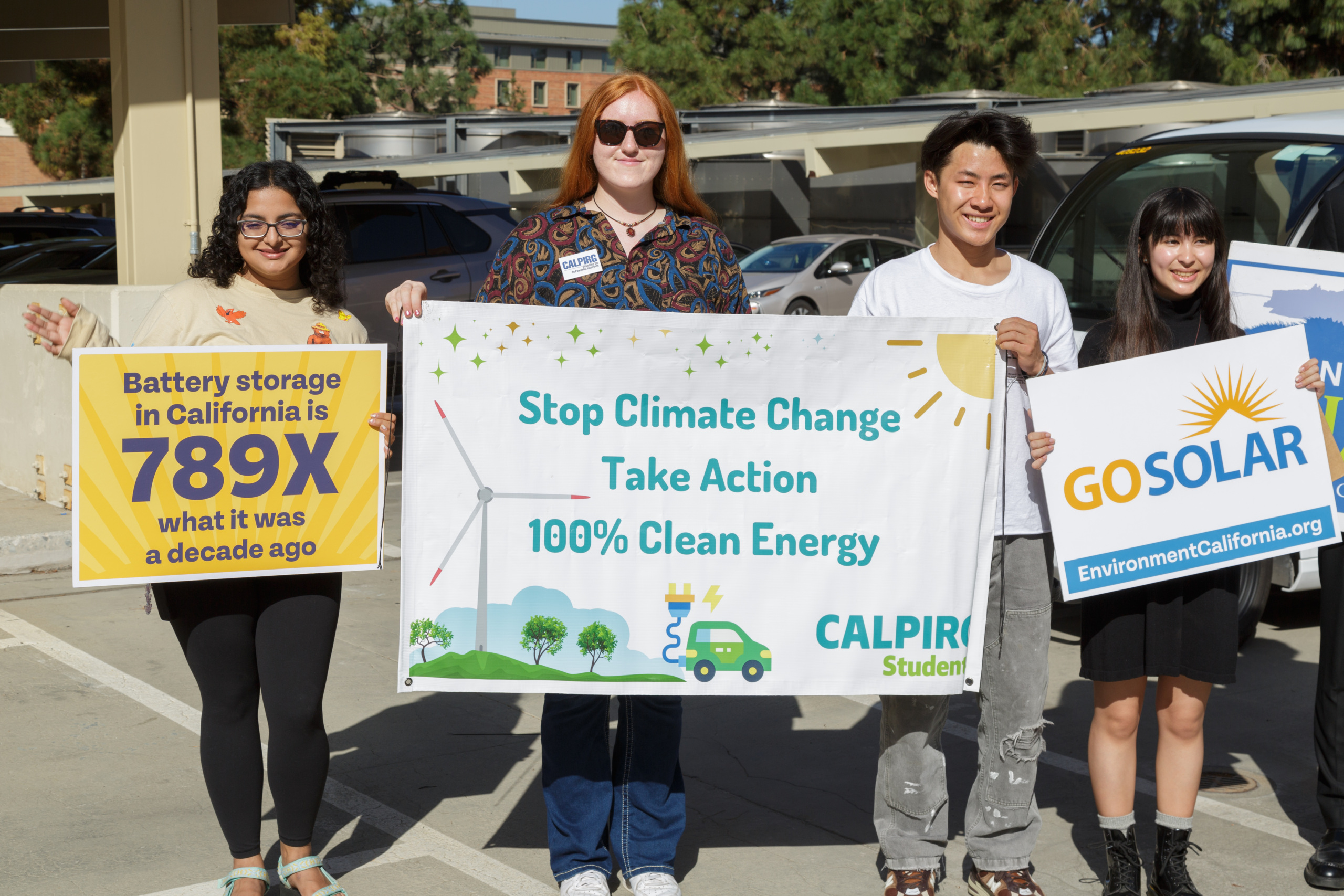
At global summit, US joins more than 115 nations in pledging to double energy efficiency and triple renewable energy capacity by 2030.
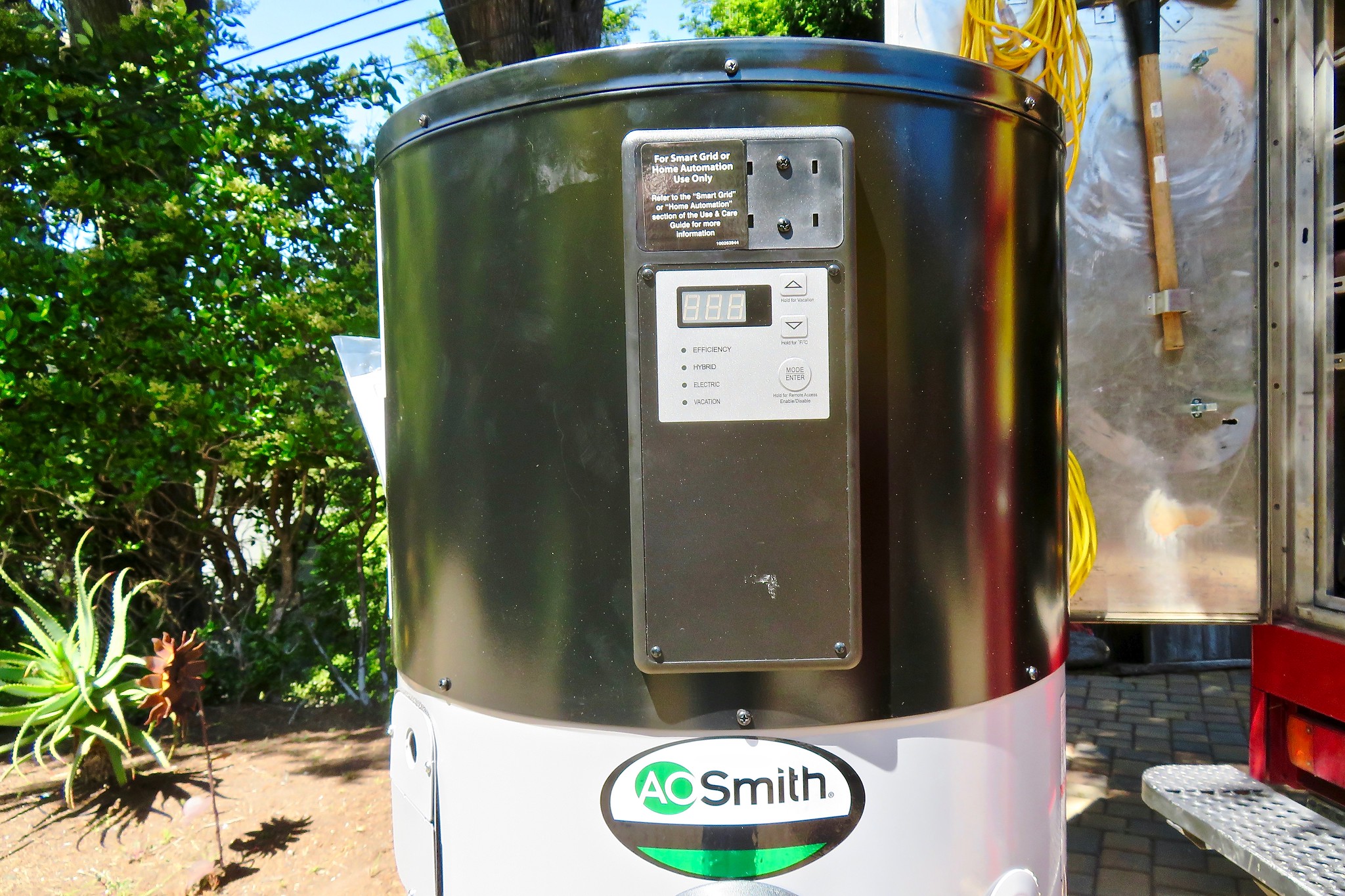
Consumer, climate, and health advocates called on the U.S. Department of Energy to promptly finalize water heater efficiency standards.
The Atlantic hurricane season lasts from June 1 through November 30. This resource guide can help members of the media cover it more thoroughly and accurately.
Energy Conservation & Efficiency
Proposed efficiency standards for residential water heaters promise bill savings and environmental benefits